The Critical Role of Physical Security in Protecting Private Residences
In an era where digital security often takes center stage, the significance of physical security for private residences must not be overlooked. Physical security forms the foundation of a comprehensive home protection strategy—serving as the first line of defense against a variety of threats.
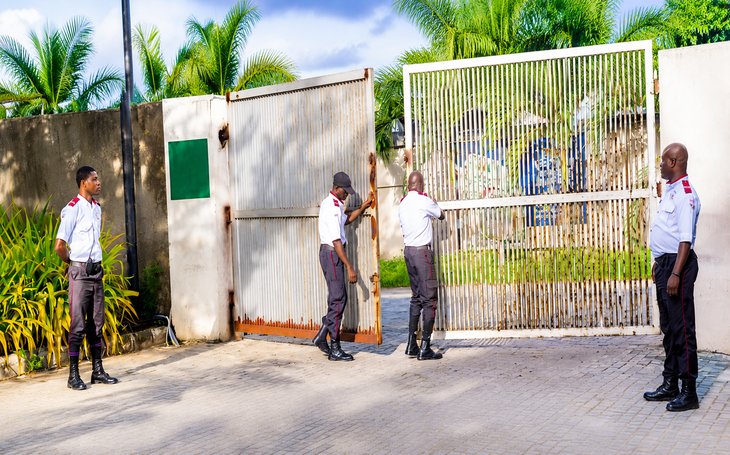
Ensuring the safety of your home involves proactive measures that detect, deter, and delay potential intruders, often with the support of private security agencies. Below, we explore why physical security is vital for private residences and highlight key strategies every homeowner should consider.
Key Reasons Physical Security Matters
1. Protection Against Intrusions
The most immediate benefit of physical security is the protection it offers against burglaries and home invasions. Strong barriers and modern security systems act as effective deterrents, making it difficult for intruders to gain access.
2. Safety for Residents
Securing doors, windows, and all potential entry points helps protect residents from physical harm. More than just equipment, it’s about creating a safe, peaceful environment for everyone in the household.
3. Protection of Assets
Homes often contain valuable items—important documents, electronics, and irreplaceable personal belongings. A solid physical security setup helps safeguard these possessions from theft or destruction.
4. Crime Prevention
Visible security features such as surveillance cameras and alarm systems discourage criminal activity. A well-protected home is far less likely to be targeted by intruders.
5. Faster Response Times
Advanced physical security tools, like integrated alarm systems, can instantly alert homeowners and authorities in the event of a breach—greatly increasing the chances of a quick and effective response.
Essential Physical Security Measures
Locks and Deadbolts
Simple yet crucial. High-quality locks and deadbolts on all doors and windows are the first line of defense.
Security Doors and Windows
Reinforced entry points can resist forced access. Add security screens, bars, or shatter-resistant glass for extra protection.
Alarm Systems
Modern alarms include motion detectors, glass break sensors, and window/door sensors, offering full coverage and instant alerts.
Surveillance Cameras
CCTV systems serve as both deterrents and investigative tools. Cameras should be visible and strategically placed to cover all vulnerable areas.
Outdoor Lighting
Proper lighting, especially motion-activated lights, can expose potential intruders and discourage unauthorized access during the night.
Integrated Security Systems
Connecting cameras, alarms, and access control into a unified system boosts efficiency, reduces response times, and ensures no vulnerability is overlooked.
Conclusion
Physical security remains an essential pillar of home safety. While digital tools play an increasing role, it is physical measures that create the most immediate and tangible defense against threats. By investing in robust security infrastructure—from locks and surveillance to private security services—homeowners can protect their families, secure their valuables, and enjoy true peace of mind.
Securing your home isn’t just about protecting property—it’s about preserving the safety, privacy, and comfort of your entire household.
Important Keywords
-
Physical Security
-
Private Security
-
Private Security Agency
-
Private Residence Security
-
Home Protection
-
Intrusion Prevention
-
Locks and Deadbolts
-
Security Doors and Windows
-
Alarm Systems
-
Surveillance Cameras
-
Security System Integration
-
Crime Prevention